- Should I shut the water off when I leave Marco Island for the season?
It is the single most effective thing available. Much of the island's housing is empty outside season, given a permanent population near 16,000 against roughly 40,000 at peak (Marco Island Living, 2026), and a closed main means a supply failure has nothing to feed it.
- What should someone check on a vacant property?
Whether water is running when nothing is in use, whether traps have dried out, whether there is staining on ceilings or at wall bases, and that the shutoff still turns. A short check on a defined interval is what shortens the discovery window.
- Is response time not the thing that matters in an emergency?
It matters when someone is there to make the call. For seasonal property the damage is mostly set before anyone knows, so the useful interventions happen months earlier: a closed shutoff and a scheduled look at the property.
- What should a seasonal owner do before leaving?
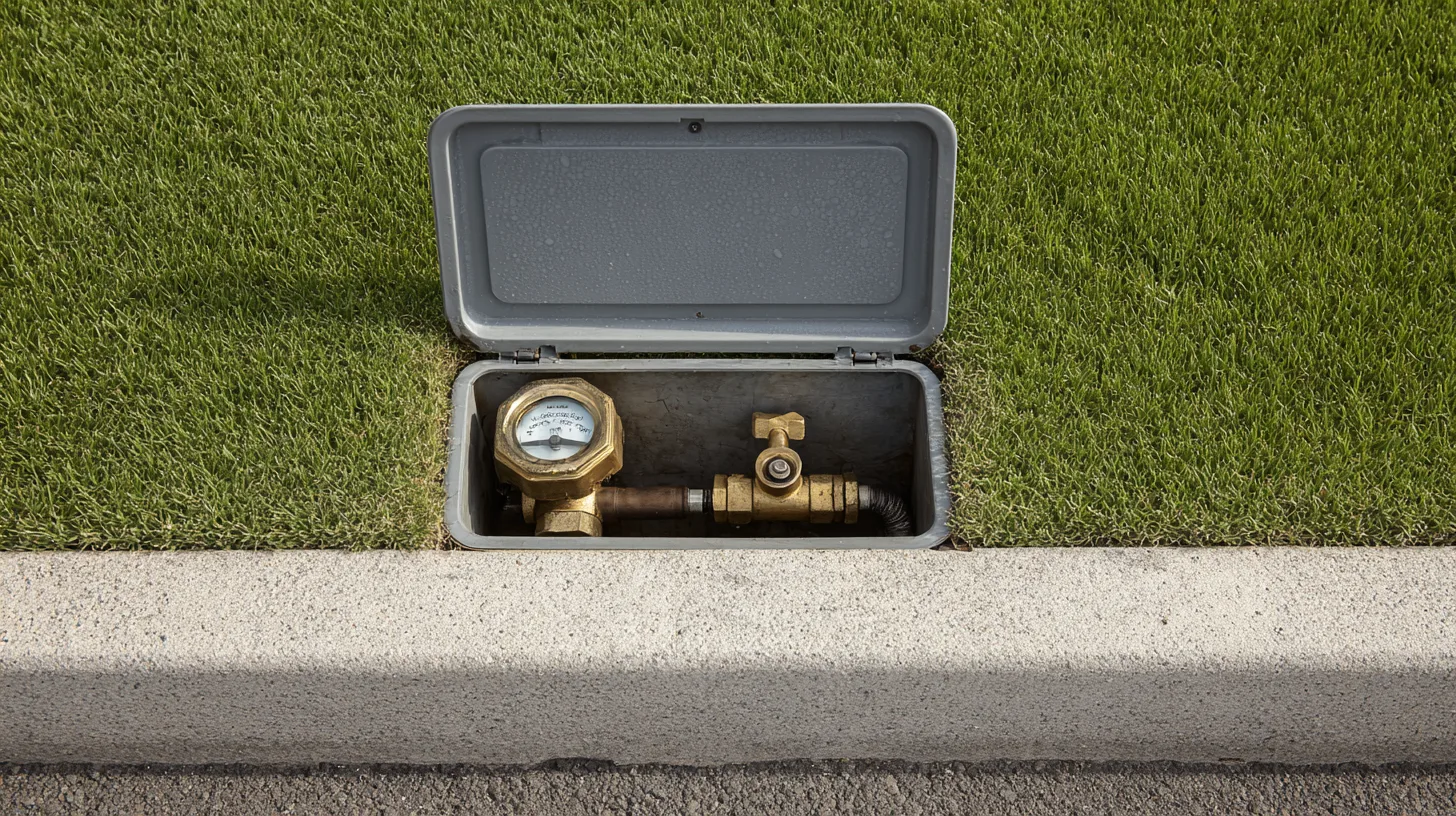
Close the main and confirm the meter stops, which removes the supply behind most of what can go wrong. Confirm the valve actually turns before relying on it. Deal with the water heater — a tank maintaining temperature for an empty house for months is heating for nobody. Run every fixture and the disposal before departure so nothing organic is left sitting. And arrange for somebody to look at the property periodically, because that is what shortens the discovery window from a season to a fortnight. None of it takes long and the first item does most of the work.
- What happens to traps in an empty house?
They dry out, and it is the most common complaint from returning owners. A trap holds a water seal that blocks sewer gas from entering the house, and in a warm property that water evaporates over weeks with nothing replenishing it. The result is odor throughout, sometimes attributed to a drainage fault when nothing is wrong. Refilling every trap on return — including the ones nobody uses, and floor drains if there are any — resolves it. Some owners add a little mineral oil to slow evaporation in fixtures that will stand unused for a whole season.
- Does the island location affect response time?
It affects scheduling more than availability. Marco is reached by bridge from the mainland, so a contractor attending is committing to the trip in a way that a call across a compact neighborhood does not require. The practical consequence is that combined and planned visits are more efficient here than piecemeal call-outs — bundling a camera inspection with a clearing, or scheduling several items in one attendance, is genuinely worth doing. It also reinforces the case for preparation, since anything you can contain yourself is worth more where arrival takes longer.
- What is the most expensive Marco failure?
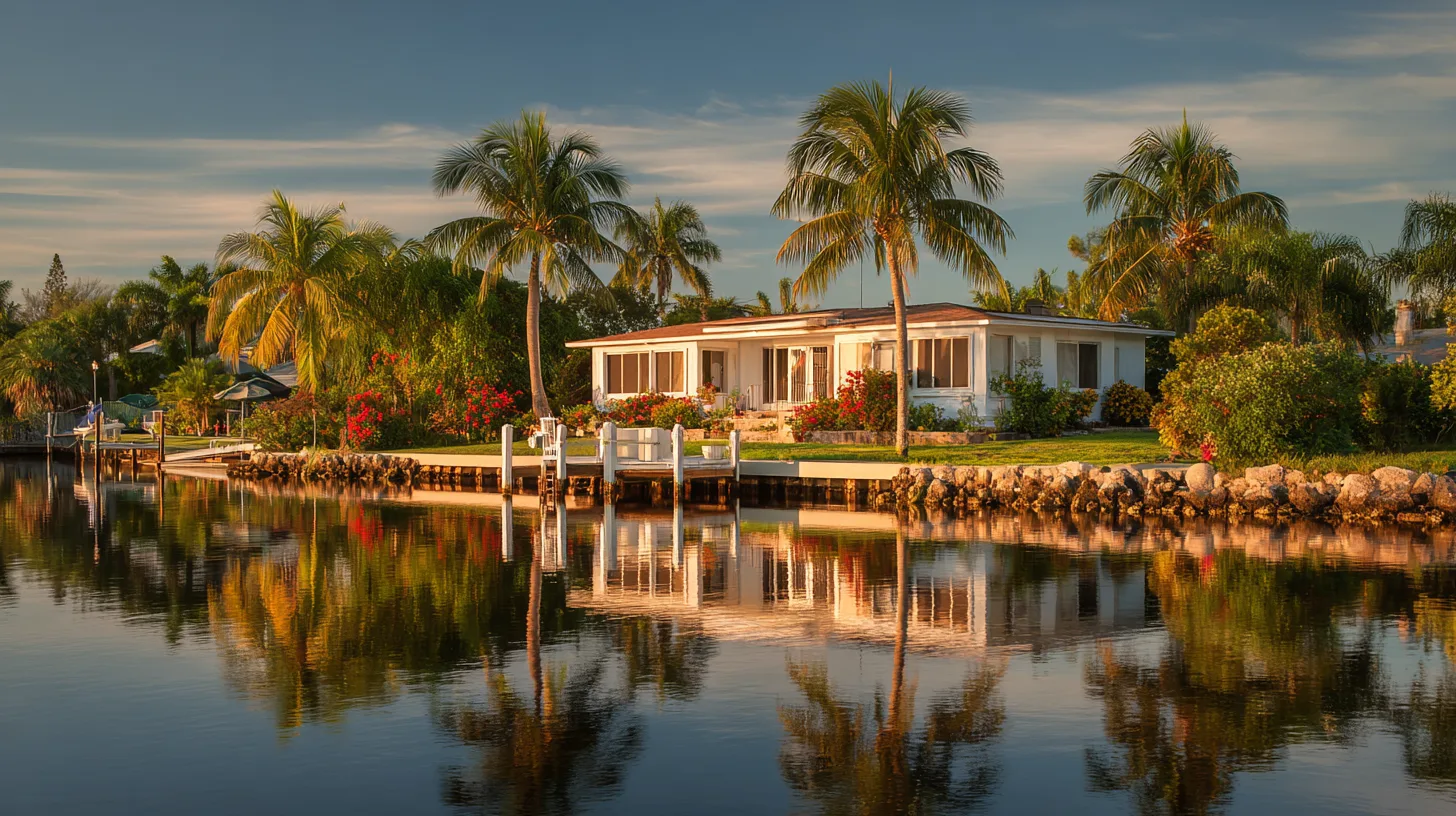
Not the dramatic one. A supply failure in an occupied house is noticed in minutes and stopped. The same failure in a house standing empty between Easter and Thanksgiving runs until somebody opens the door, and the damage is a function of elapsed time rather than flow rate. With a permanent population of around 16,000 reaching roughly 40,000 at peak (Marco Island Living, 2026), a large share of the island's housing is in exactly that condition for months. That is why the closed main matters more here than almost anywhere in the service area.
- Who should check the property while you are away?
Somebody who will actually open the door and look, rather than drive past. The check that matters covers ceilings and wall bases for staining, under sinks and around appliance connections, the water heater surround, and confirmation that nothing is running with everything closed. It takes ten minutes. Whether that is a neighbour, a management company or a service is less important than the frequency and the fact that it is a genuine inspection. A fortnightly look reduces the discovery window from a season to two weeks, which is the single largest variable in what a failure costs.
- What should you do the day you return?
Open up in order rather than turning everything on at once. Walk the property and look before opening the main, because anything that happened has already happened and the evidence reads better before new water is introduced. Then open the main slowly with all fixtures closed and watch the meter — movement means a leak, found within a minute rather than after it has run. Refill every trap deliberately. Bring the water heater back with the tank confirmed full. Then run appliances and watch underneath them, since the first cycle after months of standstill is when a connection will show.
- Is a leak alarm or shutoff device worth it?
On a property that stands empty for months, the case is stronger than for a permanently occupied house. Devices that detect flow anomalies and close the supply automatically address exactly the failure mode that costs the most here — a small leak running undiscovered for weeks. They are not a substitute for closing the main when the property is genuinely empty, which remains the more reliable measure, but they cover the periods when the water is on and nobody is present. The judgement is about how the property is actually used rather than about the technology.
- What does the water heater need before a long absence?
Turning down or off, and it is the item most often forgotten. A tank maintaining temperature for an empty house runs for months for nobody, which is both wasted energy and unnecessary cycling on an appliance that is already fighting hard water. Many units have a vacation setting; turning the unit off entirely is fine too, provided it is brought back with the tank confirmed full rather than fired on a partially empty one. On a tankless unit there is nothing stored, which is one genuine advantage of the type for seasonal property.
- What are the risks of leaving the water on?
Every pressurised fitting in the house stays under load for the whole absence, and any one of them failing has an unlimited supply behind it. Supply connectors to toilets, ice makers and washing machines are the usual culprits and they fail at the ferrule without warning. Against that, the argument for leaving water on — so traps stay wet, or so a visitor can use facilities — is weak. Traps can be refilled on each check, and the alternative is accepting months of exposure to solve a convenience problem.
- How does storm season interact with an empty property?
Badly, and it is the combination worth planning for rather than either factor alone. Storm season overlaps the months when much of the island's housing stands empty, so a sewer surcharge or a lift station outage can produce a backup in a property with nobody present. Closing the main addresses supply failures and does nothing for this one — the mechanism is drainage rather than supply. That is the argument for a backwater valve on a seasonal property specifically, since it acts on the direction of flow rather than on what is in the pipe.
- Who should hold a key for emergency access?
Somebody local who can attend within an hour, and the arrangement should be written down rather than assumed. On a property standing empty for months, the constraint during an incident is almost never the plumber's availability — it is whether anybody can open the door. Where a management company holds access, confirm the out-of-hours route rather than the office number. Where a neighbour holds a key, confirm they are on the island year-round, because a seasonal neighbour is subject to exactly the same absence.
- What should be left running and what should be off?
Off: the water main, the water heater, and anything drawing power that does not need to. On: the air conditioning at a moderate setting, because a closed house in this climate without any conditioning develops humidity problems that have nothing to do with plumbing and everything to do with the same building materials a leak would damage. That combination — water off, air on — is the standard arrangement for seasonal property here and it addresses two separate risks at once.
- Is it worth draining the system entirely?
For most properties, no. Closing the main removes the supply behind any failure, which is the substantive protection, and draining down adds work at both ends without much additional benefit for a season-long absence. Where it does earn its place is a property standing empty for a year or more, or one where the supply cannot be reliably isolated. For the standard Thanksgiving-to-Easter pattern the closed main is proportionate and the drain-down is not.
- What is the one thing that changes the outcome most?
Closing the main before leaving, and confirming the meter stops. Every other measure on this page shortens the discovery window or limits the consequences; that one removes the supply behind the failure entirely. On an island where a permanent population of around 16,000 becomes roughly 40,000 at peak (Marco Island Living, 2026) and a large share of housing stands empty for months, it is the difference between a failed connector being a repair and being a restoration project.
- What does a good seasonal handover look like?
A short written routine that anybody can follow rather than knowledge held by one person. Where the main shutoff is and which way it turns. What the water heater setting should be. Which fixtures to run before leaving and which traps to refill on return. Who checks the property and how often. And what to do if they find something — which number, and what to shut off first. Written down, it survives a change of caretaker, a sale, or simply a year when the routine is done in a hurry.
- What if you are off the island when it happens?
Then the arrangements made in advance are the entire response. Whoever holds access needs to know where the main shutoff is and which way it turns, and needs authority to call a contractor without waiting for you. That is a five-minute conversation before departure and it is the difference between a leak stopped within the hour and one stopped when you can be reached. Written instructions left at the property are worth more than a phone number, because they work when the phone does not.
- Is there anything that cannot wait until you return?
Sewage inside the property, which is a Category 3 contamination event rather than a plumbing inconvenience, and anything involving standing water near electrical equipment. Both need somebody on site regardless of where you are.
- Does a bridge closure affect emergency response?
It can during a storm event, which is one more argument for containment measures that do not depend on anybody arriving.
- What is the cheapest protection available?
Closing the main. It costs nothing, takes a minute, and removes the supply behind the failure mode that produces the most expensive claims on this island.
- Does this apply to condominium units on the island?
Partly. The absence preparation applies identically, but the shutoff you control may only serve your unit, and a shared stack is the association's rather than yours.
- What should be written down and left at the property?
Where the main shutoff is and which way it turns, the water heater setting, which traps to refill, and who to call. Written instructions work when a phone call cannot be made.

 JAMIE KLONCZ · GREAT HERON PLUMBING ONLINE