
Naples and Collier County
A lift station gives no warning you are not monitoring for
Pumps, floats, alarms and the wet well. Every one of them degrades quietly, and the first unmonitored symptom is usually sewage where it should not be.
Get a plumbing quoteLast reviewed
A sewage lift station moves waste from a low point up to a gravity main where the terrain will not let it flow on its own. It consists of a wet well, one or more submersible pumps, float or transducer level controls, and an alarm. Maintenance covers all four, because a failure in any one produces the same result.
Why Southwest Florida has so many of them
Flat ground and a high water table.
Gravity drainage needs fall. Where the terrain is flat, and where the water table sits close to the surface, a building cannot always be connected to the sewer main by slope alone — so waste is collected at a low point and pumped up.
That is common across this region for the same reasons that shape every other plumbing problem here: a high water table and minimal grade (First Choice Plumbing Solutions, 2026). Restaurants, plazas, multi-tenant buildings, gated communities and any property below main level are typical candidates.
The consequence is that a lot of commercial properties in Collier County depend on a mechanical system, sitting below ground, that most occupants do not know exists until it stops.
The four things that fail
Pump, float, alarm, and the well itself.
Pumps wear. Impellers clog with wipes, rags and fats, seals fail and let water into the motor, and a station with two pumps can run for months on one without anyone noticing that redundancy has already been spent.
Float switches are the most common failure of all: they hang up on accumulated grease, tangle on their own cabling, or simply stop responding. The station then either fails to start or fails to stop, and both are damaging.
The alarm is the component whose failure is invisible by definition. An alarm that has not been tested is not an alarm, it is an assumption. And the wet well itself accumulates a floating grease crust and settled solids that reduce the effective volume and foul everything in it.
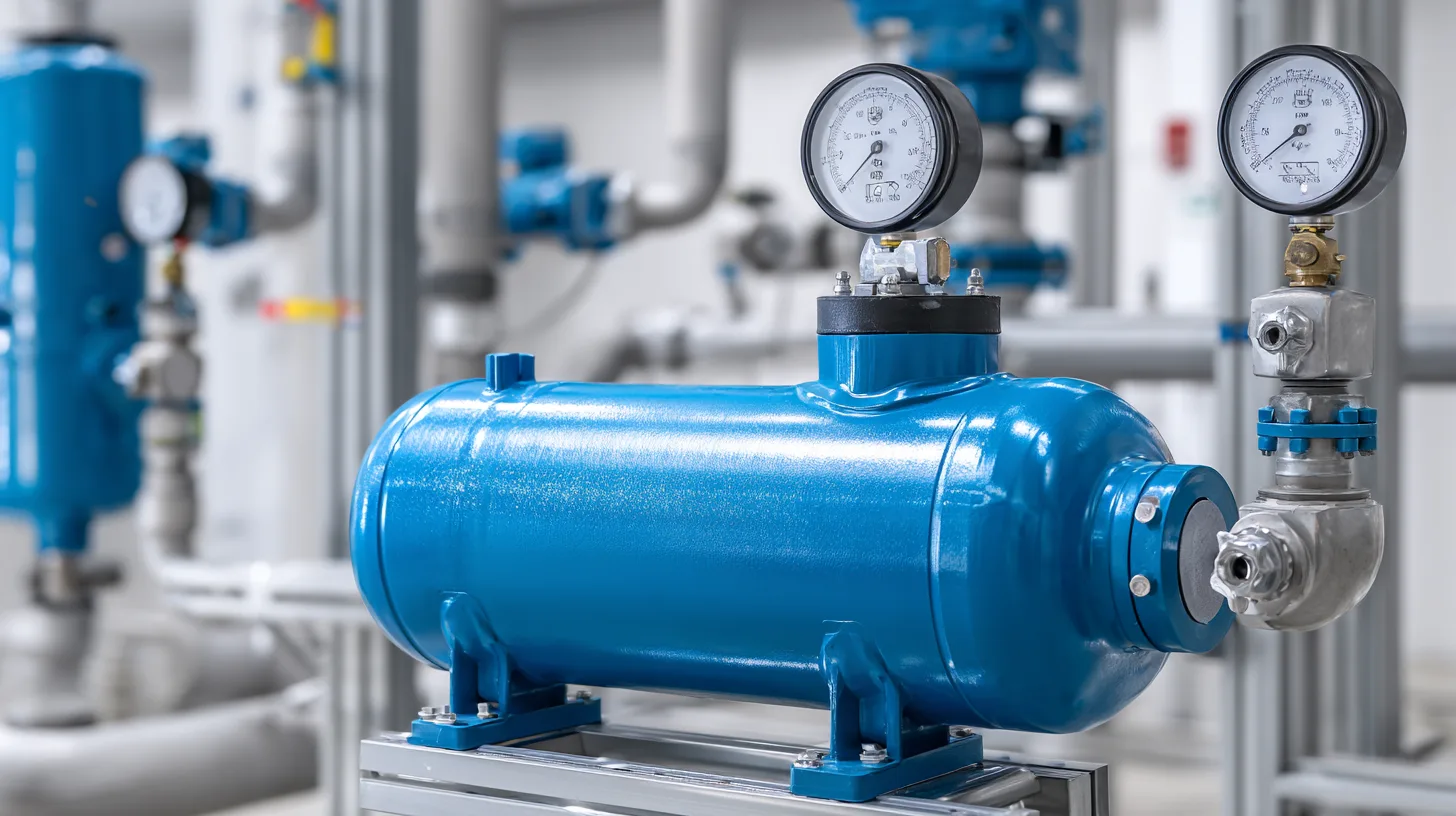
What a service interval actually covers
Testing the things that are supposed to prevent the failure.
Cleaning the wet well of the grease cap and settled solids, so the level controls are operating in water rather than in debris. Inspecting and exercising each pump, including the one that has not been called on.
Testing the float or transducer through its full range rather than confirming it works at the position it happens to be sitting in. Testing the alarm as a signal path end to end, not just checking that the panel light illuminates.
And confirming that the redundancy is real: a duplex station with one failed pump looks identical to a working one right up until demand exceeds what a single pump can handle, which is invariably at the worst moment.
Why does a property have a lift station at all?
Because Southwest Florida is flat, and gravity drainage runs out of fall before it reaches the main.
Gravity drainage needs continuous fall from the building to the connection point. On a flat site, or where the sewer main sits higher than the building's drainage, that fall does not exist and the waste has to be lifted mechanically instead.
This is not unusual here. The City of Naples sewer service area alone runs 120 pump stations (City of Naples, 2026) precisely because the terrain does not provide the gradient that gravity systems assume, and private stations on commercial and multi-family properties exist for the same reason at a smaller scale.
A private station is a wet well that fills continuously and is emptied by pumps on float or pressure control. The important consequence of that design is that it has no passive state — if the pumps stop, the filling does not, and the time to overflow is measured by inflow rather than by anything the system does.
That is what separates it from almost every other plumbing asset on a property. A blocked drain stops working and waits. A lift station that stops working continues receiving, and the consequence accumulates on a clock.
The practical consequence for an owner is that redundancy and alarms are not refinements on this asset. They are the difference between a pump failure being a service call and being a spill.
What actually fails in a lift station?
Five things, and the order matters because the cheap ones cause the expensive ones.
Float and level controls are first and most frequent. They are simple devices in a hostile environment, and when a float fails the station either stops calling for the pump or never stops calling for it. The first produces an overflow; the second burns out a pump by running it dry.
Rags and wipes are second and they are the dominant cause of pump damage on any station receiving domestic waste. Material that does not break apart in transit wraps around impellers, and a partially wrapped impeller draws more current and moves less flow, which is a failure in progress rather than a failure.
Grease is third and it is specific to sites with food operations. It accumulates on the walls of the wet well and on the floats themselves, which is how a float stops reporting the level accurately while appearing intact.
The pumps themselves are fourth, and they generally fail because of one of the first three rather than spontaneously. A pump that has been running against a wrapped impeller or cycling excessively on a faulty float has been working outside its design envelope for some time.
Power is fifth and it is the one nobody controls. Lift station outages during storms have caused sanitary systems to back up and overflow from manholes, in one Florida example around 400,320 gallons (MetroConnects, 2026), and a private station has exactly the same vulnerability at a smaller scale.
Reading that list in order gives the maintenance priority: keep the wet well clean, keep the floats clean and tested, keep the wrong material out, and the pumps largely look after themselves.
What should a maintenance schedule cover?
Six items, and the interval on each is set by what the station receives rather than by a calendar.
Wet well cleaning is the foundation and the one that makes everything else reliable. Grease and solids accumulate on the walls and on the floats, and a station cleaned on a real interval reports its own condition accurately, while one that is not gives false readings from fouled controls.
Float and level control testing is second and it is quick. Each float should be verified to trigger at its intended level, because a float that has drifted or fouled produces either an overflow or a pump running dry, and both are expensive relative to the check.
Pump inspection covers amperage draw, seal condition and impeller clearance. Current draw is the most useful single reading because it rises when an impeller is wrapped or a bearing is failing, which turns a developing problem into a measurable one before it becomes an outage.
Alarm verification is fourth and it is the item most often assumed rather than tested. An alarm that has never been triggered is an alarm nobody has confirmed works, and its whole value is in a scenario that has not yet happened.
Backup provision — a second pump, a generator connection, or both — should be tested rather than merely present. Lift station power outages during storms have produced substantial overflows in Florida (MetroConnects, 2026), and the backup that has never been run is the one most likely to fail when it is finally needed.
Records close it out. Dates, readings, findings and actions, held by the property rather than the contractor, because current draw over time is the single best predictor of a pump nearing the end and that trend only exists if somebody recorded it.
What should never enter a lift station?
Three categories, and one of them is marketed as safe to flush.
Wipes are first and they cause more pump damage than everything else combined. Products labelled flushable describe what will leave the toilet rather than what will pass a pump impeller, and they do not break apart in transit the way paper does. On a station serving a multi-family or commercial property this is the single most common cause of failure.
Grease is second and it is a site-design problem as much as a behaviour one. On any property with a food operation, grease that passes an overloaded or undersized interceptor arrives at the wet well and coats everything in it — including the floats that are supposed to report the level.
Rags, textiles and personal hygiene products are third, and on commercial or public-facing sites they are effectively unavoidable through education alone. That is why grinder pumps exist on some installations and why screening matters on others: the design has to assume the material rather than hope against it.
Solids from construction or maintenance work are a fourth and occasional cause. Sand, grout and debris washed into drains during works settle in the wet well and are abrasive to impellers and seals, and the damage frequently appears months after the work that caused it.
For a property manager the practical response is signage where it will be read, screening or grinding where the material is unavoidable, and a cleaning interval that assumes the wrong things will arrive rather than assuming they will not.
What happens when a private lift station fails?
A clock starts, and the owner is on the hook for what happens at the end of it.
The failure itself is usually quiet. Pumps stop, the wet well continues receiving, and nothing announces the problem until the level reaches an overflow point or an alarm reports it. On a station without a working alarm the first indication is frequently sewage at ground level.
Time to overflow is a function of inflow rather than of the fault, which means a busy commercial property has considerably less margin than a quiet one. That is why the same failure has very different consequences on different sites, and why response planning has to be sized to the property rather than generic.
Environmental consequences follow quickly once it overflows, and they are not treated as a plumbing matter. A sanitary sewer overflow is a reportable event, and the volumes involved in station failures can be substantial — one Florida example ran to roughly 400,320 gallons during a storm-related outage (MetroConnects, 2026).
The cleanup is a Category 3 problem rather than a water one. Sewage carries bacteria, viruses and parasites, and porous materials it contacts generally require removal rather than drying (Florida Emergency Cleaning, 2026) — so the remediation cost on a commercial site can exceed the pump repair by a wide margin.
Responsibility sits with the property for a private station. Unlike a municipal failure, there is no utility to report it to and no external party who resolves it, which is the whole reason redundancy and alarms are proportionate rather than excessive on this asset.
The practical mitigation is unglamorous: a working alarm somebody actually receives, a tested backup, and a known contact who can attend out of hours. Those three determine whether a pump failure is a service call or an incident.
What should you ask a lift station contractor?
Four questions, and the answers reveal whether they maintain stations or just attend failures.
Ask what readings they take and record. A contractor who logs amperage draw, run times and cycle counts is building the data that predicts a failure; one who reports only "cleaned and tested" is describing a visit rather than a condition.
Ask how they test the alarm, and how they confirm somebody receives it. An alarm verified at the panel and never verified at the destination is half a system, and the half that has not been tested is the half that matters at 2am.
Ask what their response arrangement is out of hours, specifically. A private station has no municipal fallback, and time to overflow is measured in hours on a busy site, so a next-business-day response is not a response for this asset.
Ask what they do with what comes out of the wet well. Disposal is regulated and the manifest is part of the service; a contractor vague about destination is a contractor whose paperwork will not stand up if anybody asks.
And ask what they will tell you to plan for. A station is a mechanical asset with a service life, and a contractor who has never raised pump replacement timing is either fortunate or not looking. The useful relationship on this asset is one that produces a capital forecast rather than only invoices.
Questions about this work
Direct answers, no sales pitch.
 JAMIE KLONCZ · GREAT HERON PLUMBING ONLINE
 Pick a question on the left, or search above. You will get the direct answer, the way an answer engine would give it.
Sources
- Fla. Stat. 489.119(5)(b) — Business organizations; qualifying agents (Online Sunshine)
- Licensing Portal — License Search, Florida Department of Business and Professional Regulation
- What Causes Slab Leaks In Florida: A 2026 Homeowner’s Guide — First Choice Plumbing Solutions
- Drain Cleaning Cost 2026: Snaking, Hydro Jetting & Chemical — Elite Rooter
Where we work
Contact
Tell us what is happening
The more you can say about the property — the neighbourhood, roughly when it was built, and what it is connected to — the more useful the first answer will be.
Call (239) 404-8590